


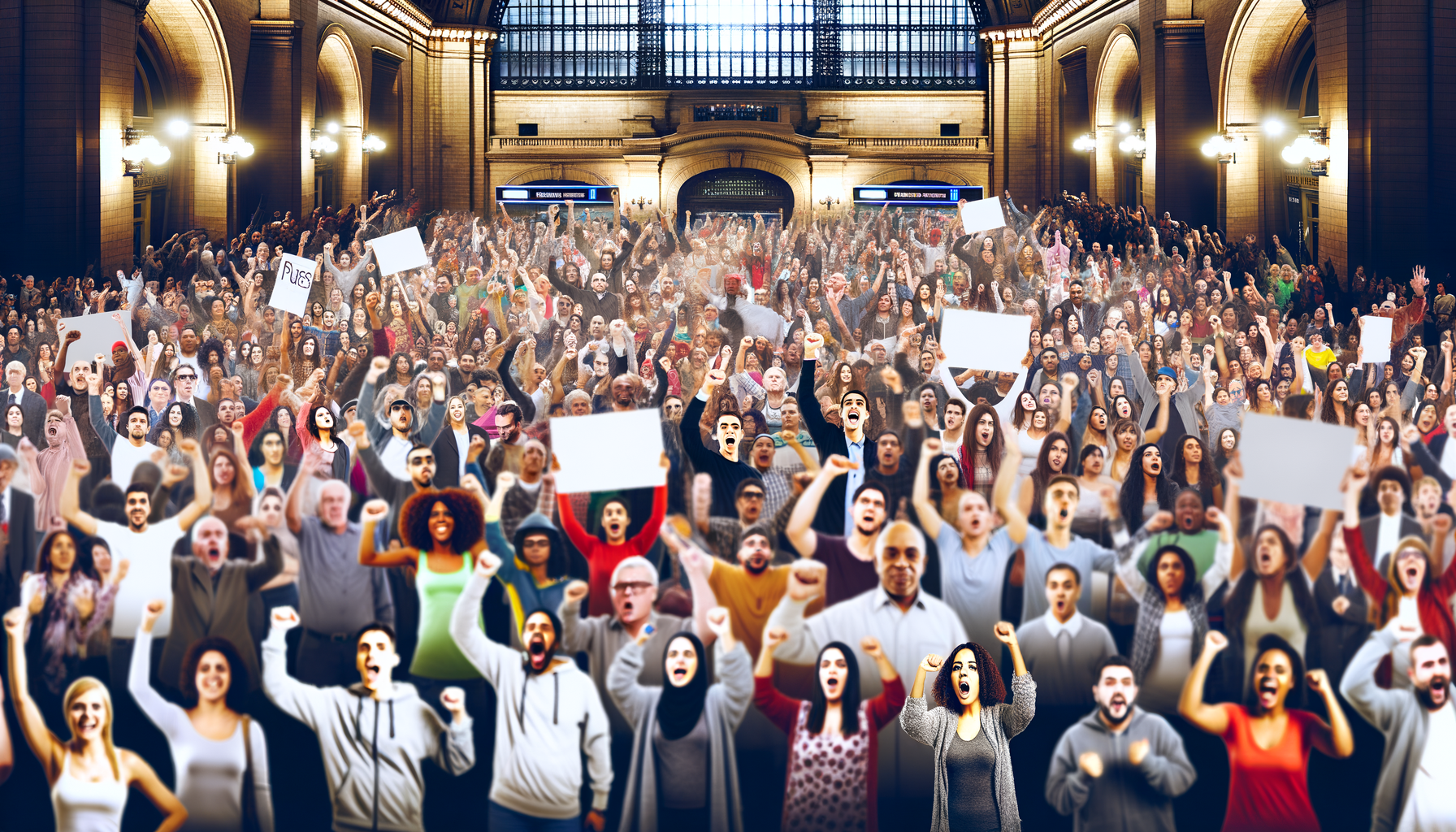
On a chilly Saturday in London, the streets of King’s Cross witnessed one of the largest protesting AI events to date. With hundreds of demonstrators gathered, the message was clear: concerns about AI’s impact are no longer just academic debates.
The Spark Behind the Protest
The recent protest in London’s tech hub, organized by Pause AI and Pull the Plug, represents a pivotal moment in the public’s response to AI technologies. These groups have highlighted potential harms caused by AI models like OpenAI’s ChatGPT, pushing for greater scrutiny and regulation.
What’s Driving the Public’s Concern?
As AI technologies become more integrated into everyday life, the urgency and scale of these protests are increasing. The demonstrators are voicing concerns over privacy, autonomy, and the long-term societal impacts of unchecked AI development.
The Role of Tech Giants
Located in the heart of London’s tech scene, the offices of OpenAI, Meta, and Google DeepMind have become focal points for these protests. This proximity to leading AI developers amplifies the message, drawing media attention and public scrutiny.
The Broader Impact of AI on Society
The intersection of technology and public advocacy highlights a growing awareness and activism against potential misuses of AI. It’s a movement that is gaining momentum, suggesting a significant shift in how society perceives and interacts with AI technologies.
Key Takeaways
- Protesting AI has moved from niche academic circles to mainstream public action.
- Concerns focus on privacy, ethical implications, and the control over AI development.
- Leading tech hubs like London’s King’s Cross are becoming centers of public discourse on AI.
Frequently Asked Questions
Why are people protesting against AI?
People are protesting AI due to concerns about privacy violations, lack of transparency, and potential societal harm from unregulated AI technology.
What areas are central to the AI protests?
Key areas of concern include ethical AI usage, control over AI development, and the potential for AI to impact privacy and personal autonomy.