

Apple’s US chipmaking efforts are expanding, revealing a significant shift in where and how the tech giant produces its critical components. This move comes alongside updates about Apple’s new low-cost MacBook, which will feature several compromises to maintain affordability.
Apple Accelerates US Chip Production
This week, Apple announced an acceleration in its US manufacturing activities. Notably, the production of some Mac mini models will now occur in the United States. This development is part of Apple’s broader strategy to enhance its supply chain resilience and assert more control over its manufacturing processes.
Behind the Scenes of Chipmaking
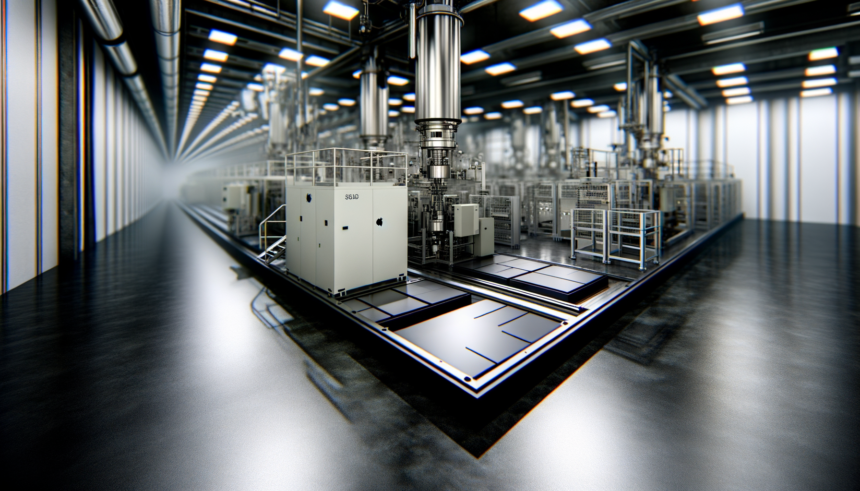
Apple provided a detailed look into its US chipmaking process, a move that underscores the company’s commitment to American manufacturing. The insights shared by Apple highlight the sophisticated technology and stringent quality control measures involved in the production of chips integral to powering its devices.
Features Missing in the New Low-Cost MacBook
The upcoming low-cost MacBook from Apple will omit several features to keep its price tag lower. These compromises may include less advanced display technology, reduced storage options, and possibly lower performance benchmarks compared to more premium models. These changes are designed to make the MacBook accessible to a wider audience, particularly those who are more price-sensitive.

Key Takeaways
- Apple is boosting its US manufacturing capabilities, including some Mac mini production.
- The company has opened up about its US chipmaking process, emphasizing advanced technology and control.
- The new low-cost MacBook will lack certain features to maintain a lower cost, targeting a broader market.
Frequently Asked Questions
What features will the new low-cost MacBook lack?
The new low-cost MacBook is expected to have fewer features, including simpler display technology, limited storage options, and potentially lower performance to keep costs down.
Why is Apple shifting some production to the US?
Apple is moving some production to the US to enhance its supply chain resilience, increase control over manufacturing processes, and respond to geopolitical and economic pressures.